


Large-Scale Metro Construction Documentation: Multi-Station Infrastructure Photography

Client: Ayson Construction (Doğuş İnşaat Group)
Industry: Public Transport / Civil Engineering / Infrastructure
Scope: Construction Progress Documentation, Safety Compliance Records, Stakeholder Reporting
Location: Istanbul Metro Expansion – Ümraniye Line, Anatolian Side
The Project
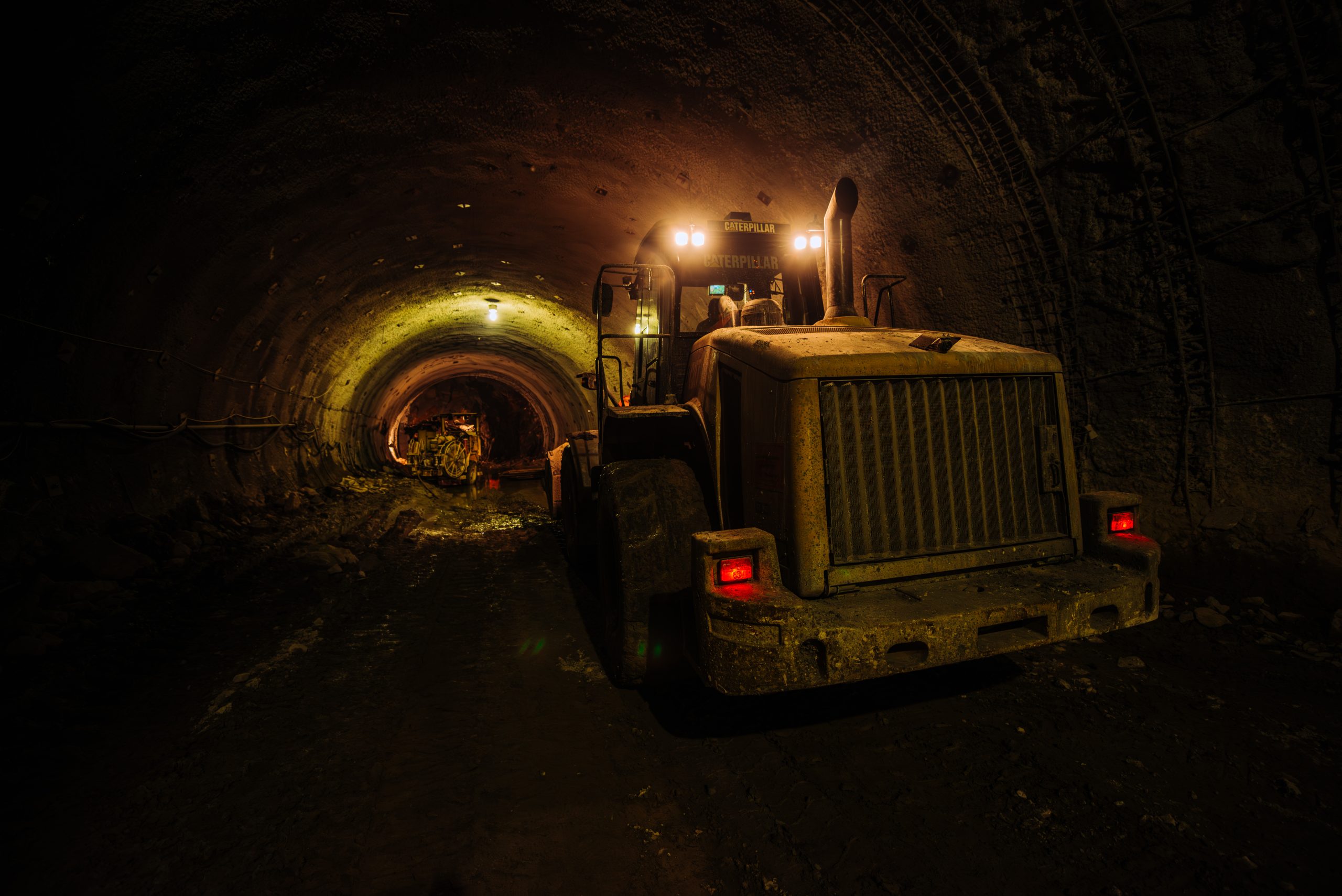
This project documented Istanbul’s Ümraniye metro line expansion — part of a multi-billion-lira public infrastructure program extending rapid transit coverage across the city’s Anatolian side. Ayson Construction, a subsidiary of the Doğuş İnşaat Group, managed this critical segment of Turkey’s largest ongoing transportation infrastructure development.
Metro construction documentation serves multiple stakeholders: project managers tracking progress against timelines, regulatory bodies reviewing safety compliance, investors monitoring capital deployment, and public relations teams communicating project milestones. Unlike static architectural spaces, active metro construction sites are extreme operational environments operating under strict safety protocols, time-sensitive schedules, and regulatory oversight — making professional documentation both critical and complex.
The Challenge
Metro construction photography isn’t a typical commercial photography assignment. It’s operational documentation in one of the most challenging environments possible:
Active Construction Hazards
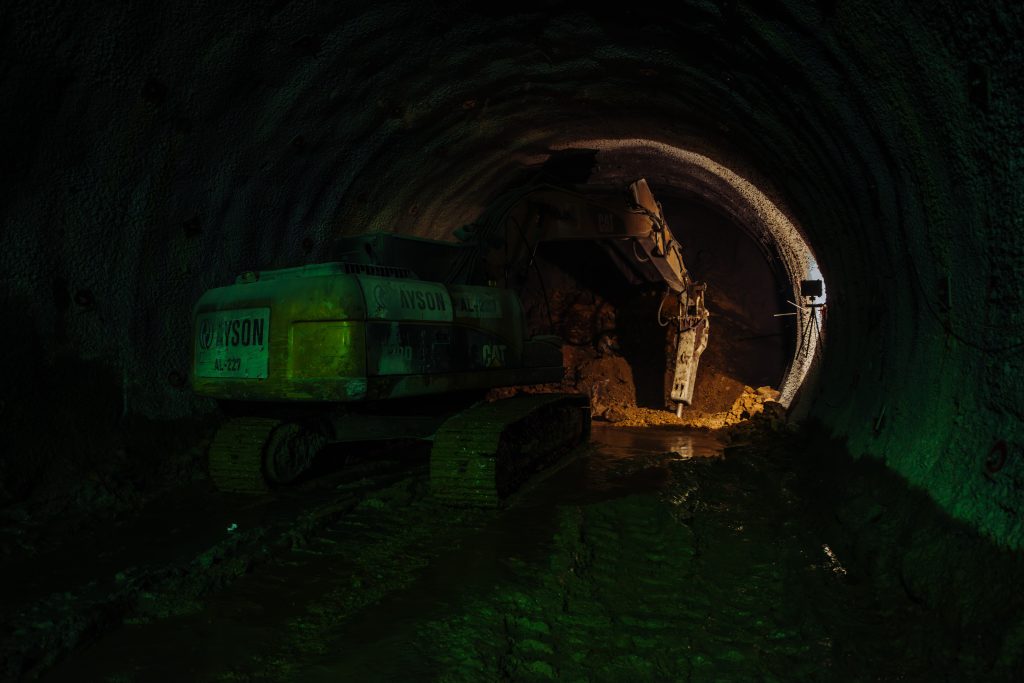
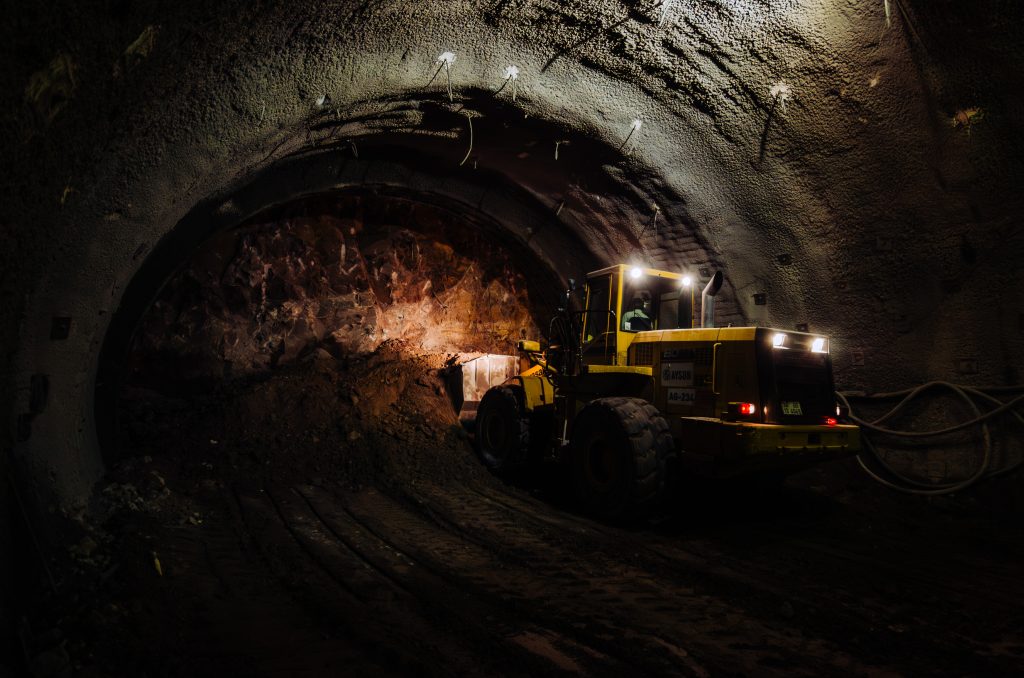
Heavy machinery in operation, excavation work, underground tunneling, concrete pours, electrical installations. Every shot required situational awareness, adherence to safety zones, and coordination with site foremen. This wasn’t a controlled studio — it was a live worksite with real risks.
PRL Safety Certification Required
Spanish PRL (Prevención de Riesgos Laborales) certification is mandatory for accessing industrial and construction sites. Our certification covers:
- Hazard identification and risk assessment protocols
- Personal Protective Equipment (PPE) compliance: hard hats, safety boots, high-visibility vests, protective eyewear
- Emergency evacuation procedures
- Confined space entry authorization
Without PRL certification, site access is prohibited — no exceptions. This applies to all our industrial photography work, including pharmaceutical facilities and data center documentation.
Underground Environment Constraints
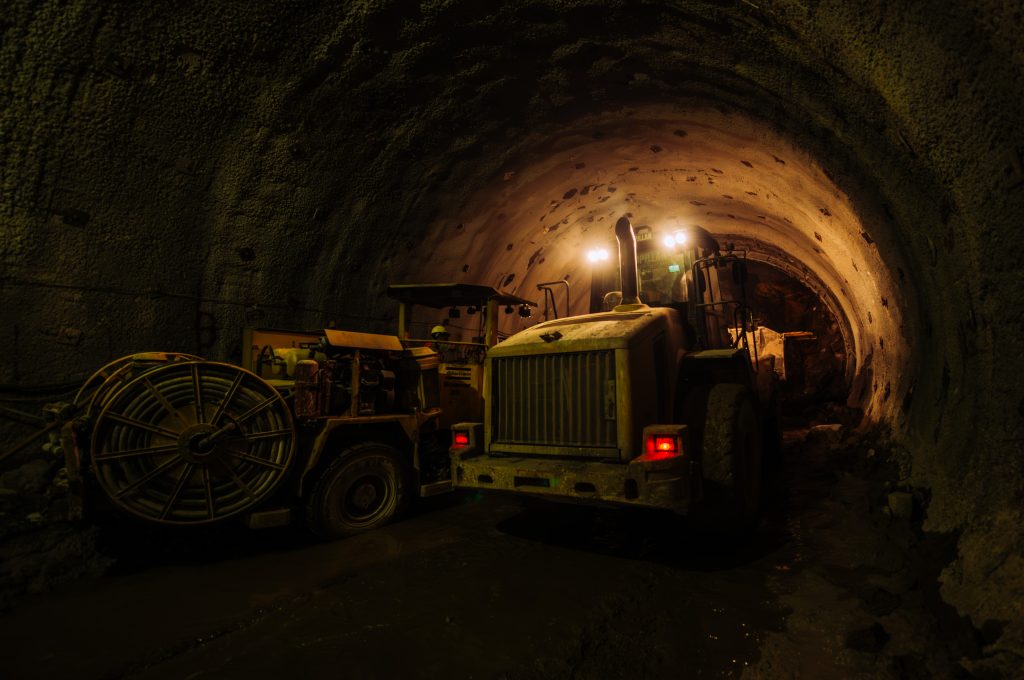
Limited natural light, dust, moisture, confined access points, and restricted movement zones. Standard lighting setups don’t work. Equipment must be portable, durable, and adapted to low-light, high-contrast conditions.
Multi-Purpose Documentation
This project required three distinct output types from the same site visits: progress tracking for project management, safety compliance evidence for regulatory review, and PR-ready images for public stakeholder communication. Each audience required different framing, detail levels, and post-processing approaches.
Scale and Complexity
Multi-station infrastructure spanning kilometers of underground construction, with varying completion stages across different zones. Coordination required alignment with construction schedules, safety briefings at each site section, and systematic documentation to ensure comprehensive coverage.
Selected Work

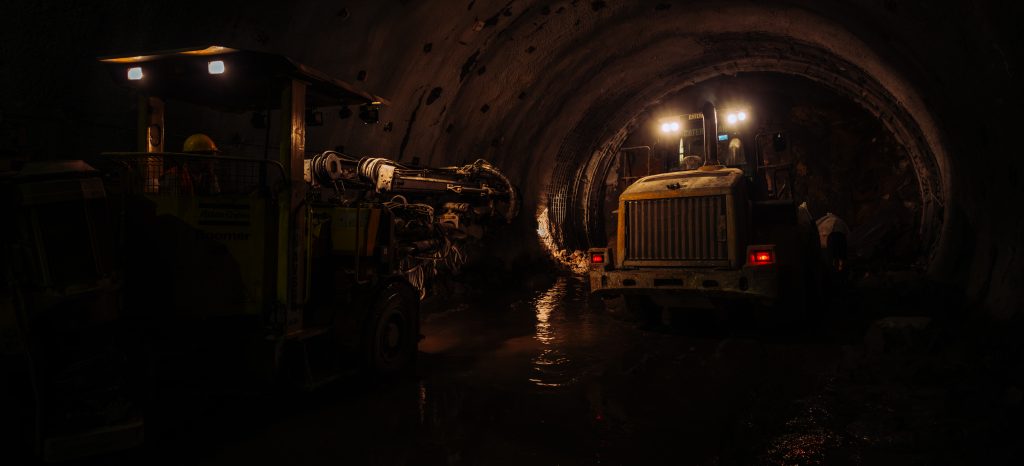


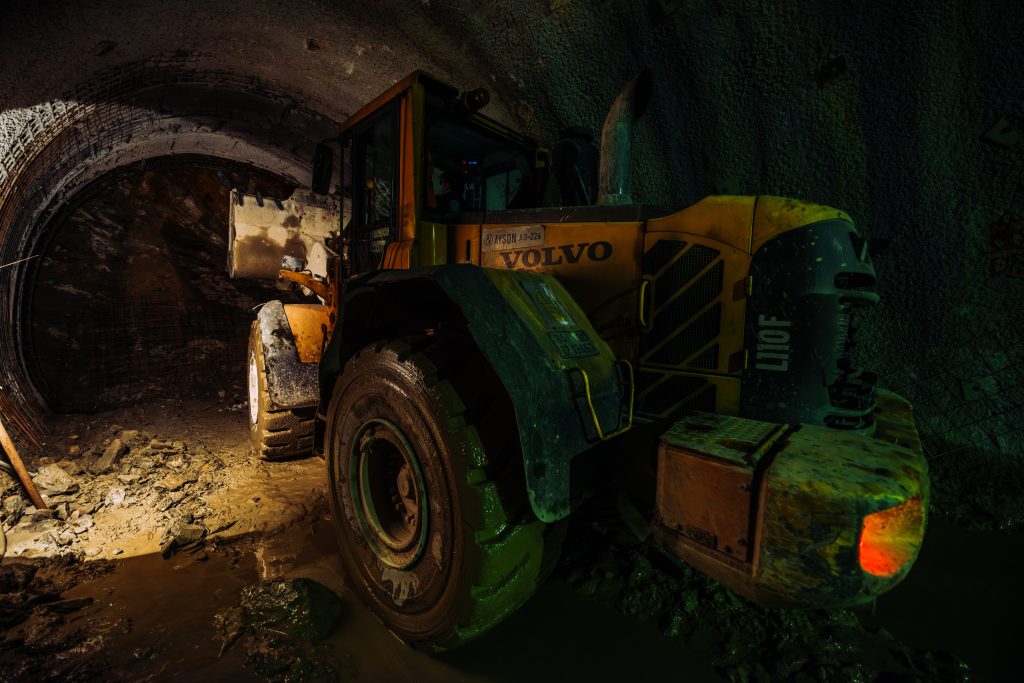
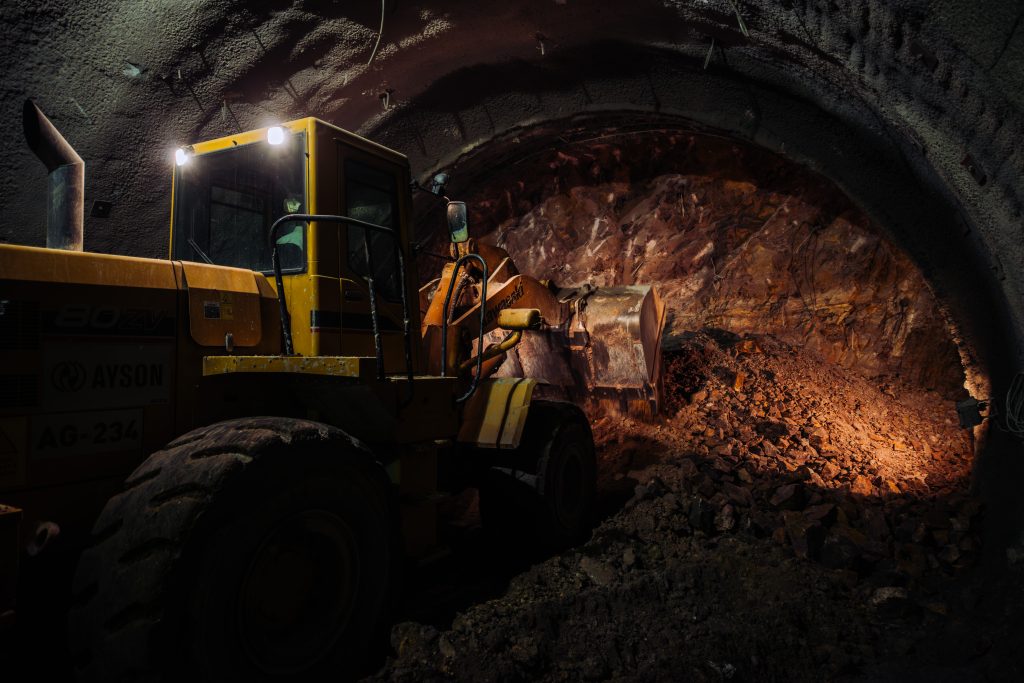
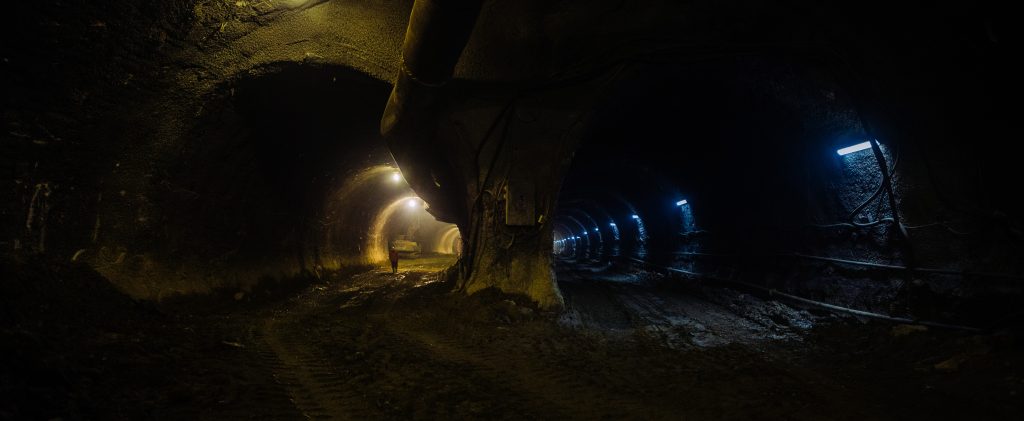
Behind the Scenes: Safety Protocol in Action
Professional construction documentation requires full PPE compliance and PRL certification. These backstage images show the reality of working in active infrastructure sites — hard hats, safety vests, protective gear, and constant coordination with on-site safety officers.

Active construction documentation requires PRL safety certification, full PPE compliance, and coordination with site safety officers — not just technical photography skills.
Our Approach
Safety-First Site Access
Before any photography begins: safety briefings with site management, PPE verification, emergency procedure review, and restricted zone identification. We document construction, not compromise safety.
Systematic Coverage Framework
Rather than ad-hoc shooting, we developed a repeatable documentation protocol: entrance zones, platform areas, tunnel sections, mechanical rooms, access shafts, and connection points. This ensures no critical areas are missed and enables direct comparison across construction phases.
Underground Lighting Mastery
Metro construction sites combine work lights, natural light from access shafts, and complete darkness in tunnel sections. We use portable lighting systems, long exposures where safe, and HDR techniques to capture accurate representations of both completed work and ongoing construction activity.
Multi-Stakeholder Output Optimization
Technical documentation for engineers requires different framing than PR images for public communication. We deliver layered outputs: wide contextual shots for progress tracking, detail captures for quality verification, and clean architectural perspectives for stakeholder presentations.
Deliverables
Progress Documentation: Systematic visual records of construction phases for project management and timeline tracking.
Safety Compliance Archive: Evidence of completed work zones, safety installations, and regulatory requirement fulfillment for government review.
Stakeholder Communication Assets: High-quality architectural images of completed station areas for public relations and investor reporting.
BTS Safety Protocol Documentation: Behind-the-scenes coverage demonstrating proper PPE usage and PRL compliance standards.
Technical Specifications
| Parameter | Detail |
|---|---|
| Project Type | Metro expansion, multi-station infrastructure |
| Location | Istanbul Ümraniye Metro Line, Anatolian Side |
| Client | Ayson Construction (Doğuş İnşaat Group) |
| Environment | Underground construction, active worksite |
| Safety Requirements | PRL certification, full PPE compliance |
| Documentation Scope | Progress tracking + compliance + PR assets |
| Lighting Challenges | Underground tunnels, confined spaces, mixed industrial lighting |
| Certification | Spanish PRL (Prevención de Riesgos Laborales) |
| Industry Sector | Public infrastructure, civil engineering |
Why This Matters
Infrastructure photography isn’t just about technical capability — it’s about certification, safety compliance, and understanding the operational realities of construction environments. A photographer without PRL certification can’t access the site. A photographer without experience in hazardous environments creates liability risks.
If you’re managing large-scale construction projects — metro systems, data centers, pharmaceutical facilities, logistics hubs — you need documentation providers who understand both photography and industrial safety protocols.
We deliver professional construction documentation with full regulatory compliance. Explore our other infrastructure case studies or discuss your project.
Frequently Asked Questions
Why is PRL certification required for construction photography?
PRL (Prevención de Riesgos Laborales) is mandatory for anyone accessing industrial or construction sites in Spain. It ensures understanding of hazard protocols, emergency procedures, and PPE requirements. Sites legally cannot grant access without valid certification.
Can you photograph active construction sites without disrupting work?
Yes. We coordinate with site managers to work around critical activities, position ourselves in safe zones, and adapt to real-time construction schedules. Documentation happens alongside ongoing operations.
How do you handle underground lighting challenges?
We use portable lighting systems designed for confined spaces, HDR exposure bracketing for high-contrast environments, and long-exposure techniques where safe. Standard flash photography doesn’t work in metro tunnels — specialized equipment does.
What’s the difference between progress documentation and PR imagery?
Progress documentation is systematic, technical coverage for project managers — showing construction phases, completed work zones, and compliance verification. PR imagery is polished, architectural perspectives designed for public communication and stakeholder presentations. Same site, different objectives.
Do you work on projects outside Spain?
Yes. While based in Madrid, we’ve documented infrastructure projects internationally. PRL certification is Spain-specific, but equivalent safety certifications exist globally — we adapt to local requirements.
Can this approach work for other large-scale infrastructure projects?
Absolutely. The methodology applies to data centers, pharmaceutical facilities, logistics warehouses, renewable energy installations — any industrial environment requiring safety-certified documentation.
How much does infrastructure construction documentation cost?
Pricing depends on project scale, site complexity, documentation scope, and certification requirements. Infrastructure projects vary significantly — a single-day progress shoot differs from multi-phase documentation spanning months. Contact us with your project details for an accurate quote tailored to your specific needs.